Why You Should Never Pierce Into Asbestos
You must never ever drill into asbestos since even minimal disturbance releases undetectable microscopic fibers that are easily breathed in and embed deep in your lungs. These particles remain for hours, bypassing all-natural purification mechanisms and enhancing your threat of incurable illness like mesothelioma cancer, asbestosis, and lung cancer. Basic home safety equipment won't stop direct exposure, and you can't accurately identify asbestos just by looking. There are essential steps and risk-free alternatives you need to recognize before trying any type of wall surface or ceiling job yourself.
Takeaways
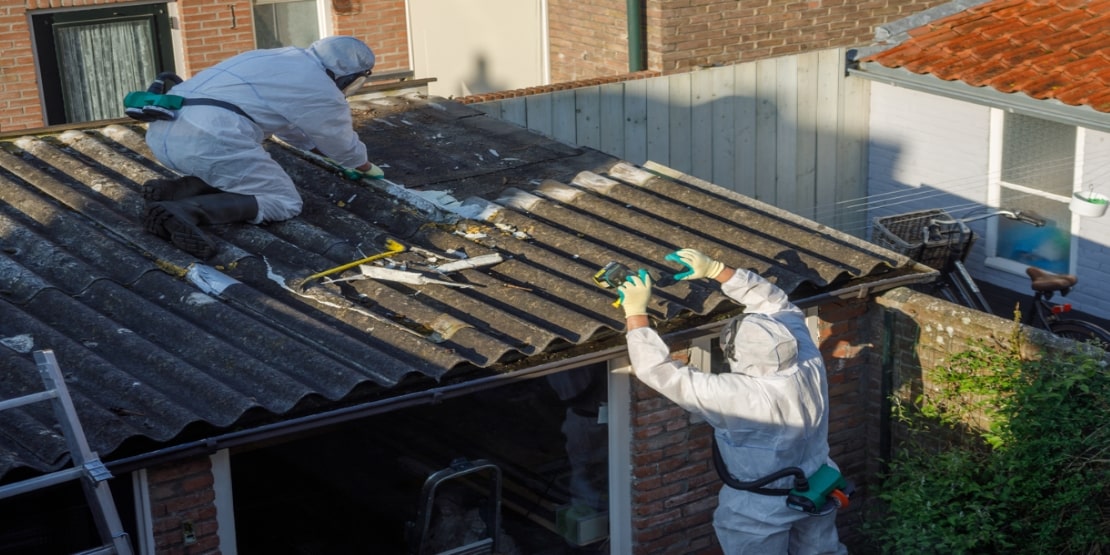 * Boring right into asbestos launches microscopic fibers that can cause dangerous lung conditions like cancer cells, mesothelioma cancer, and asbestosis.
* Airborne asbestos fibers are unnoticeable, remain for days, and are easily inhaled, greatly raising health threats.
* Standard personal protective devices and dirt removal systems do not shield versus asbestos direct exposure.
* Lawful consequences for disturbing asbestos consist of hefty penalties, prosecution, and insurance coverage rejection as a result of rigorous safety and security laws.
* Only certified professionals can safely recognize and handle asbestos-containing materials to stop unsafe contamination.
* Boring right into asbestos launches microscopic fibers that can cause dangerous lung conditions like cancer cells, mesothelioma cancer, and asbestosis.
* Airborne asbestos fibers are unnoticeable, remain for days, and are easily inhaled, greatly raising health threats.
* Standard personal protective devices and dirt removal systems do not shield versus asbestos direct exposure.
* Lawful consequences for disturbing asbestos consist of hefty penalties, prosecution, and insurance coverage rejection as a result of rigorous safety and security laws.
* Only certified professionals can safely recognize and handle asbestos-containing materials to stop unsafe contamination.
Why Drilling Into Asbestos Is So Unsafe
When you drill into asbestos-containing materials, you risk releasing tiny asbestos fibers right into the air, which are quickly breathed in and can permeate deep into your lungs. Asbestos fibers end up being unsafe air-borne fragments, staying suspended for extended periods and boosting the opportunity of breathing direct exposure. When breathed in, these fibers bypass the body's all-natural purification systems as a result of their dimension and shape, installing themselves in lung tissue. You need to recognize that asbestos-related illness— such as asbestosis, lung cancer cells, and mesothelioma cancer-– establish after a long term latency, often years after first exposure. Because there's no instant symptom onset, you could not recognize the danger immediately. Even marginal disruption, like drilling, can generate sufficient airborne particles to pose serious long-lasting health risks.
Just How Drilling Launches Harmful Asbestos Fibers
Exploration right into asbestos-containing products mechanically disrupts their structure, creating firmly bound asbestos fibers to damage cost-free and become airborne. As you run a drill, friction and resonance ruin the asbestos matrix, liberating tiny fibers. These fibers are so little they're unseen to the nude eye yet can continue to be suspended airborne as harmful air-borne particles. This process is called fiber aerosolization, and it substantially enhances the threat of unintended inhalation. When you pierce, think about the following images:
- A cloud of dirt arising promptly from the boring website
- Tiny, needle-like fibers released and floating in the ambient air
- Bits clearing up on surfaces, sticking around for hours or days
Even very little disruption can release considerable quantities of asbestos fibers, making the setting unsafe without specialized containment and elimination protocols.
What Health Issue Can Asbestos Exposure Reason?
Although asbestos fibers are microscopic, inhaling them postures severe health dangers as a result of their sturdiness and bio-persistence in lung tissue. When inhaled, these fibers can bypass your body's natural defenses, embedding deeply in the respiratory system system. Over time, this exposure considerably boosts your lung cancer cells risk, as supported by epidemiological researches connecting asbestos to deadly tumors, particularly bronchogenic carcinoma. In addition, asbestos is the key source of mesothelioma cancer, an unusual and hostile cancer of the flank. Chronic exposure can likewise cause asbestosis, a modern fibrotic lung disease marked by reduced lung function. The immune reaction influence is profound; asbestos hinders macrophage task, impairing your lungs' capability to clear foreign particles and raising vulnerability to second respiratory system infections and swelling.
How Tiny Asbestos Dirt Places You in jeopardy
Also minor disturbances to asbestos-containing products can release tiny dust fragments that continue to be air-borne for extended periods, significantly increasing the danger of breathing. When you drill or cut into asbestos, you develop air-borne particles that are unnoticeable to the nude eye, making it impossible to identify direct exposure without customized equipment. Microscopic direct exposure to these fibers is specifically hazardous since the bits can bypass the body's all-natural purification devices and install deep within lung cells.
When asbestos ends up being airborne, think about just how:
- Each inhaled fiber is little enough to evade immediate discovery yet potent enough to launch mobile damage.
- Dust clouds remain airborne, expanding the window of exposure long after the initial disturbance.
- Also marginal anxiety— like drilling— releases countless tiny fibers, magnifying wellness threats with every breath.
Can You Tell If Something Consists Of Asbestos?
You can not reliably identify asbestos-containing products with visual examination alone, as asbestos fibers are tiny and often combined with various other substances. Laboratory evaluation by licensed professionals is the only evidence-based technique to verify the visibility of asbestos. Relying upon expert testing minimizes the risk of unintentional direct exposure and assurances governing conformity.
Visual Recognition Limitations
Because lots of asbestos-containing materials look like non-hazardous products in shade, texture, and type, visual examination alone can not reliably figure out asbestos existence. The aesthetic uncertainty occurs because asbestos fibers are typically ingrained within substrates, resulting in indistinct textures and misleading surfaces that imitate usual structure materials. Your ability to identify asbestos is additional endangered by lighting reliance-– surface information might show up various under diverse illumination, obscuring indicators. For example, you could experience:
- Old ceiling floor tiles with a speckled look identical from modern-day acoustic panels
- Pipeline insulation that looks comparable to basic fiberglass or foam covers
- Floor floor tiles with patterns and coloration matching non-asbestos vinyl tiles
Offered these elements, counting only on aesthetic ideas is inherently unstable and can result in unsafe misidentification.
Value Of Professional Evaluating
Although some materials may elevate suspicion because of age or context, there's no definitive method to confirm asbestos material without lab evaluation. You can not dependably recognize asbestos by view, texture, or color. Professional testing is crucial for precise recognition. Certified service technicians collect material examples complying with rigorous procedures, making certain proper chain of guardianship to stop cross-contamination or evidence meddling. These samples are after that sent to accredited 3rd celebration laboratories for polarized light microscopy (PLM) or transmission electron microscopy (TEM) analysis, which quantify asbestos fibers with high accuracy. If disruption has actually taken place, air tracking is carried out to identify air-borne asbestos focus, ensuring compliance with work-related exposure restrictions. Depending on specialist testing removes guesswork, reduces health dangers, and guarantees regulatory demands are satisfied before any kind of renovation or drilling tasks.
How to Spot Products Likely to Include Asbestos
You'll need to acknowledge both regular asbestos-containing items— such as textured coverings, old floor tiles, and cement sheeting— and the visual indicators connected with them. Try to find signs like a fibrous structure, staining, or product labeling from before the 1990s. By determining these materials and clues, you can make enlightened choices concerning safe handling and required precautions.
Common Asbestos-Containing Products
Several building materials and house items made before the late 1980s are most likely to contain asbestos, especially in older homes and business frameworks. If you're assessing possible dangers, it's vital to be familiar with items historically developed with asbestos for its fire-resistant and shielding residential properties. Usual asbestos-containing items consist of:
- Industrial insulation: Made use of extensively on pipelines, central heating boilers, and ductwork to prevent heat loss and boost fire resistance.
- Fire-resistant concrete bed linen: Frequently installed as wall panels, backing for stoves, or ceilings in energy areas, prized for its high-temperature tolerance.
- Plastic floor tiles and adhesives: Popular from the 1950s through the 1980s, these products regularly incorporated asbestos fibers for resilience.
Identifying these products can help you identify areas where disturbing asbestos is a significant risk, specifically throughout restorations or upkeep.
Visual Hints and Signs
While no aesthetic assessment can confirm asbestos presence with absolute assurance, certain physical features can elevate uncertainty when evaluating structure materials. You need to check out the visual appearance of surface areas— several asbestos-containing products display a fibrous, rough, or layered appearance, especially in insulation boards, ceiling tiles, and older wall panels. Look for patch staining, as water damage or repair services may reveal underlying asbestos fibers or denote previous disruption. Products like plastic floor tiles might feature uncommon bespeckling or streaking, hinting at asbestos material. Furthermore, asbestos concrete products sometimes show a grayish, matte completed with penalty, embedded fibers visible under close inspection. Constantly keep in mind, if you think asbestos based upon these aesthetic hints, you shouldn't disturb the product— professional testing is the only way to confirm its existence.
Could You Enter Trouble for Disturbing Asbestos?
If you disrupt asbestos-containing products, you could face significant lawful and governing repercussions as a result of rigorous government controls intended at lessening air-borne asbestos fibers. Regulations, such as the Control of Asbestos Laws 2012 in the UK and OSHA standards in the US, required specific handling treatments. Non-compliance might result in prosecution, considerable penalties, or perhaps jail time. Insurance policy implications are also extreme— lots of plans omit coverage for damages or obligation emerging from unauthorized asbestos disturbance, leaving you financially subjected.
You might run into:
- Enforcement activities, including stop-work orders or criminal costs for breaching asbestos guidelines.
- Civil lawsuits from subjected people, causing pricey legal negotiations.
- Nullified property or liability insurance plan after unlicensed asbestos job is discovered.
Inevitably, disturbing asbestos isn't simply high-risk— it's legitimately and economically dangerous.
Why Attempting to Drill Asbestos Yourself Is Never Ever Safe
Past the lawful and financial obligations, piercing into asbestos-containing materials positions a prompt and serious danger to health and wellness. As quickly as you penetrate these materials throughout a home improvement, tiny asbestos fibers come to be air-borne. These fibers, when breathed in, are connected to mesothelioma cancer, asbestosis, and lung cancer cells. No conventional personal protective tools you may utilize at home deals ample security, and common dirt extraction systems are not developed for asbestos. In enhancement, incorrect device upkeep can aggravate fiber launch by causing boosted friction or chipping, better elevating exposure threat. Even very little disturbance is harmful. Without specialized training, control techniques, and accredited tools, you're not simply risking your well-being— you're threatening anybody who enters your home after the restoration. It's never ever risk-free to try this on your own.
What Should You Do If You Accidentally Pierce Asbestos?
Ought to you realize you've pierced into a material that may contain asbestos, immediate action is critical to reduce exposure. Quit working immediately and prevent interrupting the location even more. Asbestos fibers, when airborne, present a significant inhalation risk. Launch an emergency situation reaction by vacating the infected area and limiting access to others. https://claphamjunctionasbestosremoval.co.uk/services/artex-removal.html Do not attempt to tidy up or move debris, as this enhances fiber dispersion. Alert relevant authorities for specialist removal.
Envision your following actions:
- Seal off the location using plastic sheeting or tape to consist of fibers.
- Remove exposed apparel meticulously and place them in a secured plastic bag.
- Seek a clinical analysis for prospective asbestos exposure, particularly if you experience respiratory signs and symptoms.
Prompt action and expert intervention are vital for health and wellness.
Safe Ways to Hang or Affix Products Without Exploration
You don't need to breach asbestos-containing products to mount products firmly. Rather, take into consideration sticky hooks, tension rods, or industrial-grade Velcro strips, every one of which provide reliable lots distribution without jeopardizing material integrity. These methods reduce fiber launch and align with best methods for asbestos risk reduction. get help here
Usage Adhesive Hooks
Frequently, adhesive hooks supply a reliable option for installing items on asbestos-containing surface areas without compromising material stability. Using detachable hooks is a suitable method for damage avoidance, as these items employ specialized adhesives that eliminate the demand for intrusive fasteners. The sticky bond disperses weight uniformly, minimizing local stress and anxiety and preventing fiber disruption. Select hooks rated for the desired tons and environmental problems, making certain safe adhesion and long life.
Envision these scenarios:
- Light-weight photo structures suspended flawlessly without piercing unsafe substratums.
- Kitchen area tools organized effectively making use of strong, residue-free detachable hooks.
- Seasonal decors affixed and eliminated easily, leaving the asbestos surface area uninterrupted.
Attempt Stress Rods
Check out stress rods as a practical solution for supporting items on asbestos-containing surfaces without interrupting the underlying product. Tension rods use a spring-loaded mechanism, producing outward stress between two opposing surface areas, which gets rid of the need for drilling and stops asbestos fiber release. This approach is especially effective for lightweight curtain equipment, storage room company, or hanging short-term obstacles. For peak performance, follow stress rod suggestions such as verifying the pole is ranked for your intended lots and making sure appropriate placement with secure, parallel surface areas. https://claphamjunctionasbestosremoval.co.uk/services/garage-shed-roof-removal.html Constantly pick a pole with non-slip end caps to secure the wall surface finish and improve hold. Using stress poles uses a safe and secure, relatively easy to fix setup while preserving the structural integrity of asbestos surfaces and minimizing health and wellness threats connected with air-borne fibers.
Opt For Velcro Strips
Numerous adhesive-based solutions, such as industrial-strength Velcro strips, use reputable options for fastening products to asbestos-containing surface areas without mechanical infiltration. By utilizing peel and stick innovation, you can safely connect things without troubling hazardous materials. These material pleasant fasteners are developed for both smooth and distinctive surface areas, minimizing the risk of fiber release connected with drilling or nailing.
Think about these applications for Velcro strips:
- Mount light-weight structures or signage on asbestos ceiling ceramic tiles, preventing dust generation.
- Affix cable television coordinators or tiny hooks to asbestos wall surface panels with minimal surface disruption.
- Safe fabric panels or attractive aspects to asbestos-containing areas utilizing detachable strips.
Going with Velcro strips guarantees load distribution throughout a wider area, reducing localized stress and anxiety and promoting more secure long-lasting accessory. Always verify glue compatibility with your surface kind.
When Should You Call an Asbestos Specialist? https://claphamjunctionasbestosremoval.co.uk
If you suspect that a material in your home contains asbestos or discover noticeable damages such as collapsing, fraying, or water discoloration, it's crucial to get in touch with a qualified asbestos specialist before trying examination, elimination, or repair service. Qualified experts use specialized direct exposure surveillance tools and follow rigorous protocols to evaluate asbestos threats properly. Attempting to handle or disturb asbestos-containing products without competence raises the threat of air-borne fiber release, possibly causing breathing threats and lasting health and wellness repercussions.
In addition, documented expert involvement is vital if you ever face asbestos lawsuits, as improper handling can make complex legal issues. You ought to also call an expert if restoration, demolition, or boring is planned in older structures, as troubling hidden asbestos can have substantial liability and safety and security effects. Don't jeopardize; always look for specialist evaluation.

Regularly Asked Inquiries
Just How Much Does Asbestos Removal Generally Price?
Asbestos removal generally costs in between $1,500 and $3,000 for an average-sized home, yet your asbestos reduction expenditures can vary widely based upon square video, product kind, and task complexity. When looking for elimination quotes, you'll require to contemplate whether encapsulation or complete reduction is needed, as well as disposal charges. It's important to utilize qualified experts, because improper handling can raise hazardous airborne fiber focus and bring about regulative non-compliance.
Can Asbestos Be Found in Modern Residences?
You might think asbestos is a relic of the past, but like a ghost in the wall surfaces, it can still be discovered in some contemporary homes— especially if products were imported or remodelling included older structures. Asbestos detection depends on specialized building surveys, which utilize fiber analysis and exact sampling. Governing bodies validate that, although less common, post-1999 building and constructions aren't totally immune. It's important to commission expert studies for clear-cut risk evaluation.
Exist Safe Alternatives to Asbestos-Containing Products?
Yes, there are safe options to asbestos-containing products. You can make use of fiberglass, cellulose, or mineral wool, which provide similar fire resistance and insulation homes without dangerous fibers. When managing existing asbestos, encapsulation methods efficiently seal fibers, decreasing air-borne contamination. Integrate air tracking throughout and after setup or removal to verify that particulate levels continue to be within regulated exposure limitations, guaranteeing long-lasting security and conformity with work-related and environmental health standards.
How Is Asbestos Waste Safely Disposed Of?
If you're refurbishing an old school and discover asbestos floor tiles, you'll require to use strict encapsulation methods— securing the fibers with a specialized binding representative prior to removal. Afterward, you can not simply toss the waste; you'll need to transport it in leak-proof containers to certified unsafe garbage dumps. These facilities adhere to governing standards, making sure asbestos stays separated from the environment. Proper disposal avoids air-borne contamination, safeguarding employees and the public from asbestos-related wellness risks.
Is Asbestos Exposure Covered by Home owner's Insurance policy?
No, the majority of homeowner's insurance coverage policies don't cover asbestos exposure as a result of conventional insurance coverage exclusions pertaining to contaminants. If you experience wellness implications from asbestos, your insurance company typically won't offer payment for remediation or clinical prices, as asbestos is thought about a pre-existing danger. You'll require specialized ecological insurance for such coverage. It is important to examine your plan documents and seek advice from with your insurance provider to clear up any potential responsibilities connected to asbestos exposure.